Skip to content
Skip to content
Skip to content
Friction Stir Welding
Prototypes and Small Series – For the Automotive,
Electronics, and Defense Industries
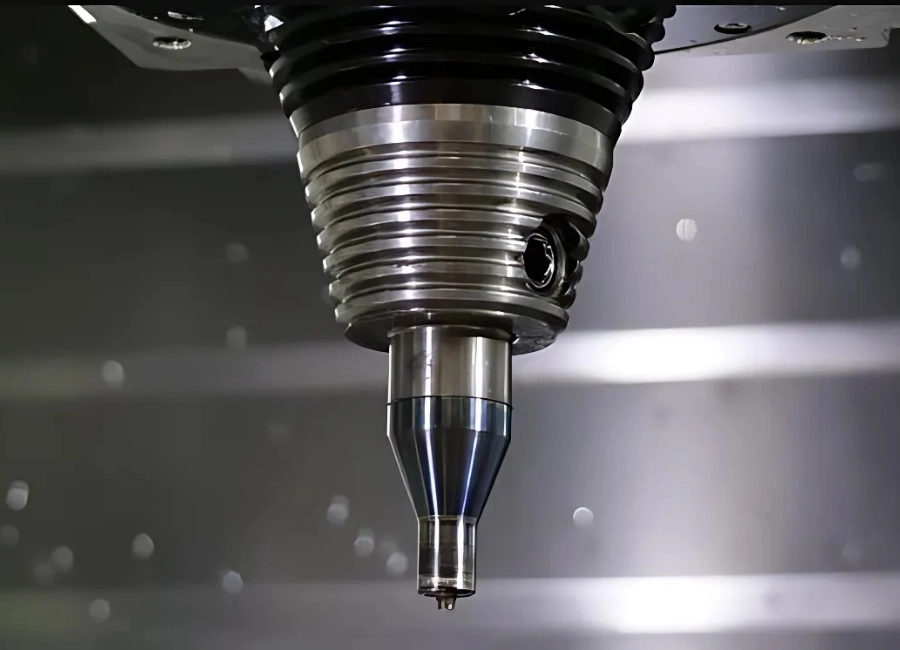
Friction Stir Welding – In-house at Formkon
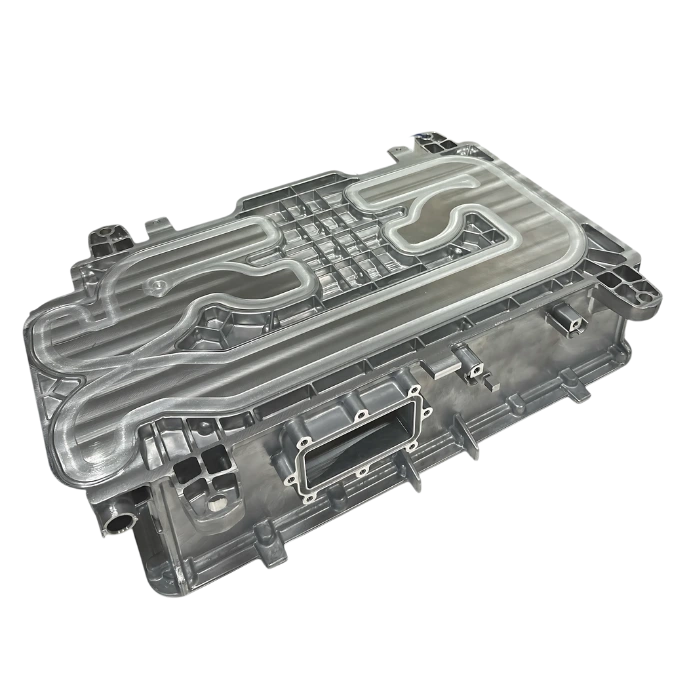
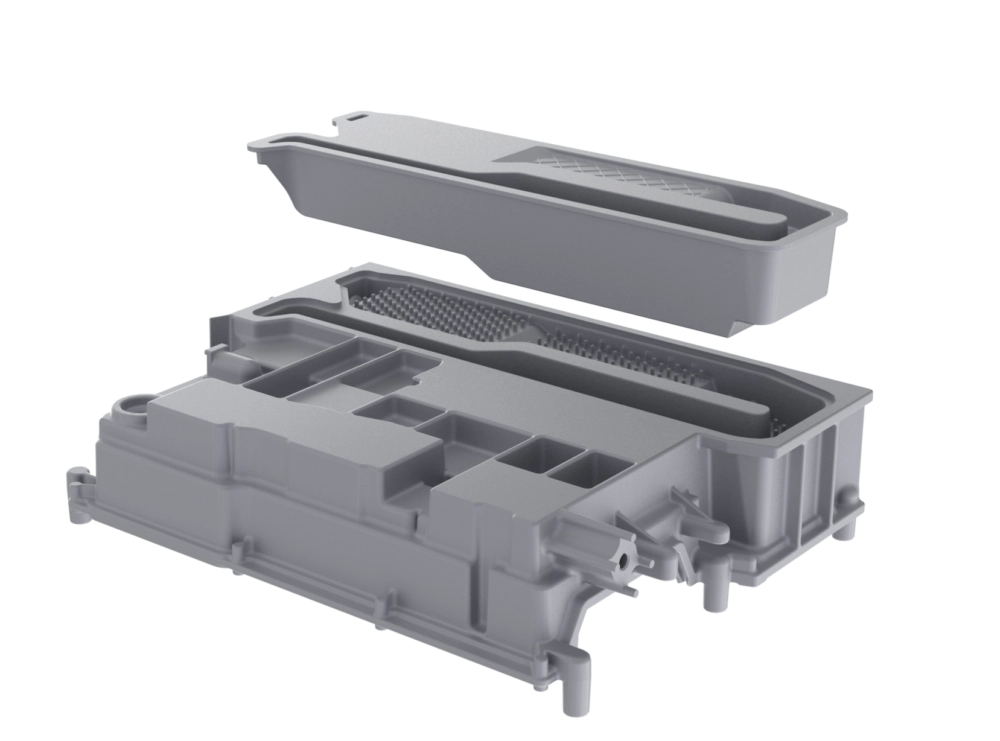
At Formkon, we specialise in high-quality prototypes in aluminum and magnesium. We offer friction stir welding (FSW) in-house as a post-processing service for our cast and machined prototypes and small serie productions. This advanced method is especially ideal for high-tech components like battery housings and inverters, where a fully sealed joint between cooling channels and electronics is crucial.
Components with Friction Stir Welding
Friction stir welding is commonly used as a post-process for cast parts such as:
Industries That Benefit Most from FSW Post-Processing
We deliver fast, reliable, and precise results, tailored to your exact specifications.
Why In-House Friction Stir Welding?
By offering FSW in-house, we ensure:
Why Choose Friction Stir Welding?
Compared to traditional welding methods, FSW offers key advantages:
How Friction Stir Welding Works
Friction stir welding joins two metal parts without melting. A rotating tool presses into the joint and moves along it, generating frictional heat and plasticizing the material. The softened metal is stirred and forged into a seamless, high-strength bond. Since the material remains solid throughout the process, you get stronger, cleaner welds with excellent mechanical properties and a high-quality finish.